How Many Pages Should a Business Website Have?
There is no ideal number of pages. The right structure follows what you sell, where you work and what customers need to know.
Verity Consultants · 12 January 2026 · Updated 18 October 2026 · 7 min read
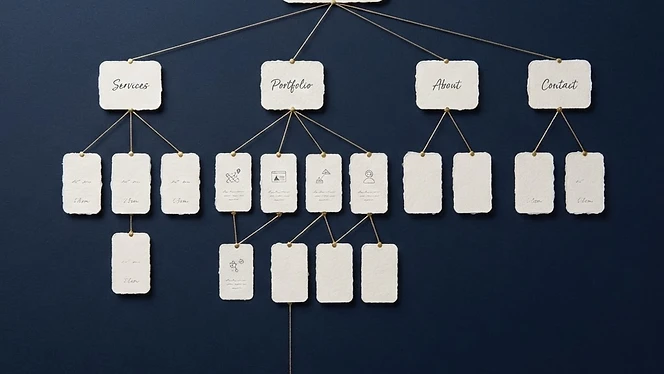
There is no ideal page count for a business website. A five-page site can be perfect for one business and badly limiting for another. The right number depends on what you offer, where you work and the questions your customers need answered.
Why page count matters less than structure
Each page should have a clear job. Search engines generally rank individual pages for specific topics, so a single "Services" page listing eight different services gives each one very little room to explain itself or be found.
Equally, creating dozens of near-identical pages with only the town name changed is unhelpful for visitors and is the kind of approach Google's spam policies describe as doorway pages. The goal is the right pages, not the most pages.
The core pages most businesses need
- Homepage, explaining who you help and what you do.
- Service pages, ideally one for each distinct service people search for.
- About, covering who is behind the business and why to trust you.
- Contact, with clear ways to get in touch.
- Legal pages, such as privacy and cookie policies.
Many businesses benefit from adding:
- Case studies or work examples, where you can genuinely show them.
- Location pages, where you serve distinct areas and have something specific to say about each.
- FAQs or guides, answering common pre-purchase questions.
A simple way to plan your pages
- List every service you want enquiries for. If customers would search for it separately, it probably deserves its own page.
- List the areas you serve. Only create location pages where you can write useful, unique content.
- List the questions customers ask. These become FAQs or articles. See should my business have a blog?
- Group anything that overlaps. Two pages targeting the same need will compete with each other.
- Map how pages link together, so visitors and search engines can move logically between them.
Examples
| Business | Sensible starting structure |
|---|---|
| Sole trader with one core service in one town | 5–7 pages |
| Firm offering several services across a county | 12–25 pages, with dedicated service pages and a few well-researched location pages |
| Multi-service business with an article library | 30+ pages, organised into clear sections |
- Business
- Sole trader with one core service in one town
- Sensible starting structure
- 5–7 pages
- Business
- Firm offering several services across a county
- Sensible starting structure
- 12–25 pages, with dedicated service pages and a few well-researched location pages
- Business
- Multi-service business with an article library
- Sensible starting structure
- 30+ pages, organised into clear sections
These are general planning illustrations, not fixed rules or package entitlements. The right structure always depends on your services, locations and customers.
Signs your website has too few pages
- Several services are squeezed into a single page.
- You are not visible for services you definitely provide.
- Visitors have to call to find basic information.
Signs it has too many
- Pages with very little content or that say almost the same thing.
- Old pages nobody maintains.
- Navigation that is difficult to follow.
Our guide to local SEO landing pages and search architecture explains how to plan service and location pages without duplication.
Next steps
Planning structure is a core part of our web design process, and our website packages are scoped around what your business needs rather than an arbitrary page count. If your current site has grown without a plan, a Website & SEO Audit can show which pages are working and which are holding you back.
Discuss your website project
Tell us what your business needs and we'll explain how we'd approach it — no obligation.
Start your projectRelated reading


Should My Business Have a Blog?
A blog can be a valuable source of enquiries, or an abandoned page that undermines trust. Here is how to decide which it would be for your business.
Read articleHow Much Should I Spend On a New Website?
Spend enough to get a website that genuinely works — and not so little that you have to do it again in two years.
Read articleHow Much Does a Business Website Cost in the UK?
An honest guide to what drives website costs in the UK, from design approach to ongoing hosting, with Verity's actual starting prices.
Read article